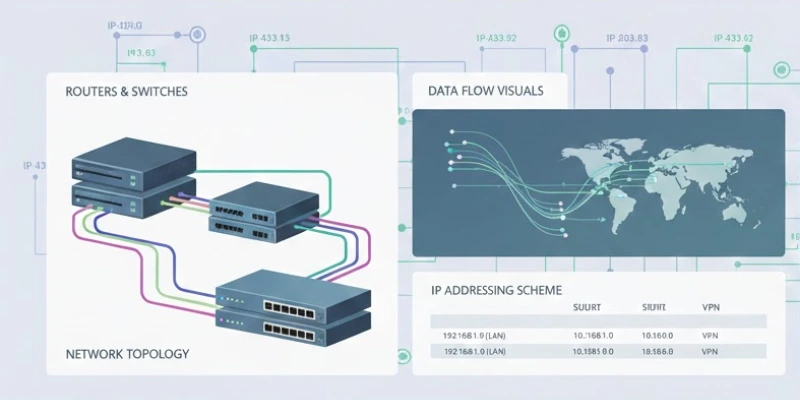
Building a strong networking foundation is one of the most important steps for learners preparing for CCNA, especially when they want to understand real-world networking environments with clarity. Many beginners start developing this understanding through CCNA Course in Trichy, where they gain confidence in basic concepts before moving to advanced configuration. With the right approach, anyone can strengthen their fundamentals and move closer to a successful networking career.
Understanding Why Fundamentals Matter
A strong grasp of the basics helps learners identify how networks function at the core. Without clear fundamentals, advanced topics become confusing and difficult to apply. When learners explore the OSI model, IP addressing, and device roles early on, they develop the clarity needed for real-world troubleshooting. This foundation becomes the backbone of further CCNA preparation.
Learning the OSI and TCP/IP Models Thoroughly
The OSI and TCP/IP models form the theoretical base of all networking concepts. Beginners often find these models overwhelming, but understanding them step by step makes the learning process smoother. When learners explore how data flows between layers, they begin to grasp the reasoning behind every configuration and command used in network devices. Strong conceptual clarity here leads to better performance in practical tasks.
Getting Comfortable with IP Addressing
IP addressing plays a critical role in every network setup. Subnetting, variable-length subnet masks, and address allocation are skills that require consistent practice. Many learners sharpen these skills using structured exercises, similar to the methodical learning styles followed in Python Course in Trichy, where practice-based understanding helps build long-term confidence. Consistent effort with IP addressing forms a strong foundation for routing and switching concepts.
Exploring Routing and Switching Basics
Routing and switching are essential components of CCNA. Understanding how routers make forwarding decisions and how switches manage traffic ensures learners can troubleshoot effectively. Concepts like VLANs, trunking, and route selection may seem complex at first, but with regular practice, they become manageable. A gradual approach helps learners understand the logic behind device communication.
Practicing Configuration on Realistic Setups
Hands-on practice strengthens theoretical knowledge and builds problem-solving skills. Using tools like Packet Tracer or real devices allows learners to experiment with commands safely. It also helps them understand how configurations react in different situations. As learners gain confidence, they begin to understand how networking concepts apply to professional environments, improving their job readiness.
Understanding Network Security Essentials
Security is a major part of modern networking, and CCNA now includes several security-focused elements. Beginners should understand basic concepts such as firewalls, access control lists, and secure device management. Learning how attackers exploit weak networks helps learners appreciate the importance of securing every device. This knowledge is crucial for anyone looking to enter networking roles in today’s security-driven digital world.
Learning Troubleshooting Strategies
Troubleshooting allows learners to identify, analyze, and resolve network issues quickly. Developing logical troubleshooting habits like isolating layers, testing connectivity, and verifying configurations plays a major role in CCNA success. As learners build their confidence, they begin to see how routine troubleshooting aligns with real job responsibilities, strengthening their career preparation through hands-on understanding supported by CCNA Training in Erode.
Building Confidence Through Continuous Practice
Consistency makes a big difference in the networking learning journey. Practicing labs, testing commands, and reviewing basic concepts regularly ensures a strong foundation. Over time, learners recognize patterns in network behavior and become more comfortable handling unexpected issues. This consistent approach also supports long-term career readiness, especially for roles that demand strong analytical thinking.
Applying Concepts to Real-World Scenarios
Understanding how networks function in real environments is essential for career growth. Applying theoretical knowledge to real-world examples helps learners visualize how routing, switching, security, and troubleshooting work together. Whether it’s setting up a small office network or configuring virtual lab environments, practical application builds confidence and prepares learners for professional responsibilities.
Moving Forward with a Clear Vision
Strengthening networking fundamentals opens pathways to various job roles in the IT infrastructure domain. As learners continue practicing and refining their skills, Python Course in Erode helps them stay competitive and adaptable in a fast-growing industry. With consistent effort, hands-on practice, and clear understanding, anyone can build a strong networking foundation that supports long-term career success.
Also Check: Advantages of Selenium Usage in Automated Testing
